
What can you make with tahini? Hummus is an easy place to start, but the same sesame paste also works in cake batter, a sweet glaze and buttery cookies. These three recipes take you from a cold appetizer to two desserts, without treating tahini as an afterthought.
Choose the hummus if you have cooked chickpeas ready and want something for lunch. Make the cake when you want a dessert to slice and share. The cookies are for the days when a small, nutty bite alongside coffee sounds better than a whole slice of cake.
The recipes below are editorial adaptations of the credited Turkish sources. The ingredient proportions are retained; the explanations focus on texture, handling and serving. Each recipe stands on its own—you do not need to make all three.
Read this before measuring. The Turkish recipes use a 200 ml measuring glass, rather than a US cup. A small Turkish tea glass is approximately 125 ml. In the lists below, “glass” always means that 200 ml measure. Volume is not weight: a glass of flour and a glass of tahini will not weigh the same. Do not substitute a larger cup without adjusting the whole recipe. Sachet sizes vary, so check the manufacturer's pack information for the baking powder and vanilla.
1. Creamy hummus with tahini
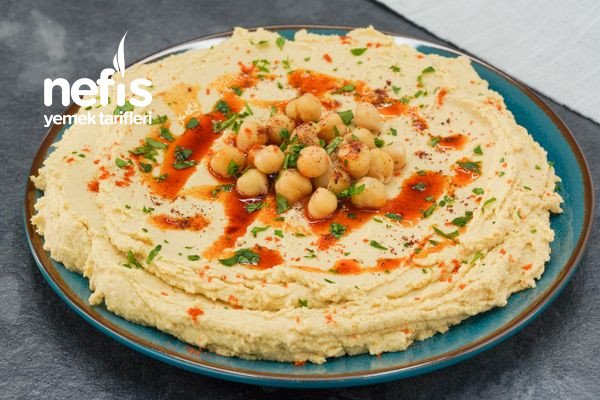
In hummus, tahini gives the chickpeas a fuller sesame flavor and helps bring the dip together. Lemon keeps it lively; garlic and cumin add depth. Aim for a smooth paste that holds a spoon-made swirl without feeling dry.
Ingredients
- 3 glasses cooked chickpeas
- ⅓ glass plain tahini
- Juice of 1 lemon, or 2–3 tablespoons prepared lemon juice
- 2 garlic cloves
- ½ teaspoon ground cumin
- About 1 teaspoon salt, adjusted to taste
- A little cool water, as needed
To serve: 1 tablespoon olive oil, paprika or another ground red pepper, and sumac. Fresh herbs and a few whole chickpeas are optional.
How to make it
- Let freshly cooked chickpeas cool before blending. For an especially smooth dip, you can rub off some of the skins; this is optional.
- Put the chickpeas, tahini, lemon juice, garlic, cumin and some of the salt into a food processor or blender.
- Blend until smooth, stopping to scrape down the sides. If the mixture is too stiff, add cool water a tablespoon at a time and blend again.
- Taste before adding the rest of the salt. Adjust the lemon and cumin if needed, then spoon the hummus onto a wide plate and make a shallow swirl with the back of a spoon.
- Drizzle with the olive oil and finish with red pepper and sumac. Serve with pita, raw vegetables or toasted bread.
Getting the texture right. Tahini may thicken when you first mix in lemon juice. Add the water gradually and keep blending rather than pouring in a large amount at once. You can always loosen a thick dip; a watery one is harder to bring back.
Original recipe: Elif Atalar / Nefis Yemek Tarifleri, Humus Tarifi. English editorial adaptation: Oğuz Şahbaz.
Back to recipe choices ↑2. Tahini marble cake with a sesame glaze
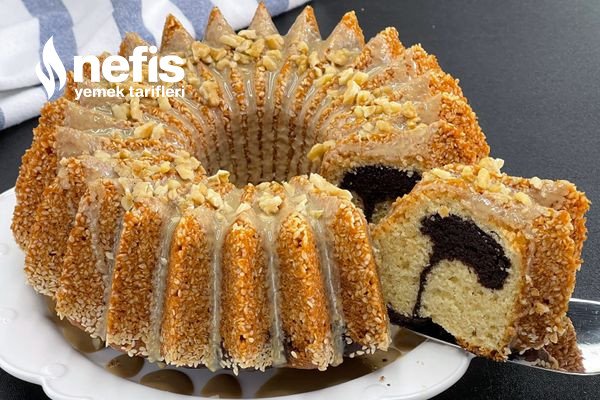
Tahini and cocoa make a good pair: one is earthy and sesame-rich, the other dark and slightly bitter. This cake uses both in the batter, then adds a simple tahini glaze after baking. Sesame seeds on the tin give the outside a little texture.
For the cake batter
- 3 eggs
- 1½ glasses sugar
- 200 ml milk
- 125 ml neutral-flavored oil
- 125 ml tahini
- 2 glasses wheat flour
- 1 sachet baking powder
- 1 small tea glass sesame seeds, approximately 125 ml, for the tin
For the cocoa batter: 2 tablespoons cocoa powder and an additional 60 ml milk. For the glaze: 100 ml tahini and 1 tablespoon icing sugar (powdered sugar). You will also need a little oil to grease the tin.
How to make it
- Lightly oil a cake tin, including its sides, and scatter the sesame seeds over the greased surface. Preheat the oven to 160 °C.
- Beat the eggs and sugar until lighter in color and aerated. Mix in the 200 ml milk, oil and 125 ml tahini.
- Sift in the flour and baking powder. Mix just until the dry patches disappear; there is no need to keep beating the batter once it is combined.
- Set aside about one small tea glass of batter. Pour the remaining plain batter into the prepared tin.
- Mix the cocoa and the extra 60 ml milk into the reserved portion. Pour this darker batter over the plain batter to create the marble effect.
- Bake for about 45 minutes. Check with a wooden skewer: it should come out without wet batter. The exact time will depend on the tin and your oven.
- Stir the 100 ml tahini and icing sugar together for the glaze. Let the cake cool before removing it from the tin, then spoon the glaze over the top. Chopped nuts are an optional finish.
Stir the tahini first. If oil has separated in the jar, stir it back into the sesame paste before measuring. Taking only the oil from the top or the dense paste from the bottom changes the balance of the batter. The cooling time comes after the baking time given above.
Original recipe and photograph: Elif Atalar / Nefis Yemek Tarifleri, Tahin Soslu Kek. English editorial adaptation: Oğuz Şahbaz.
Back to recipe choices ↑3. Crumbly tahini cookies with walnuts
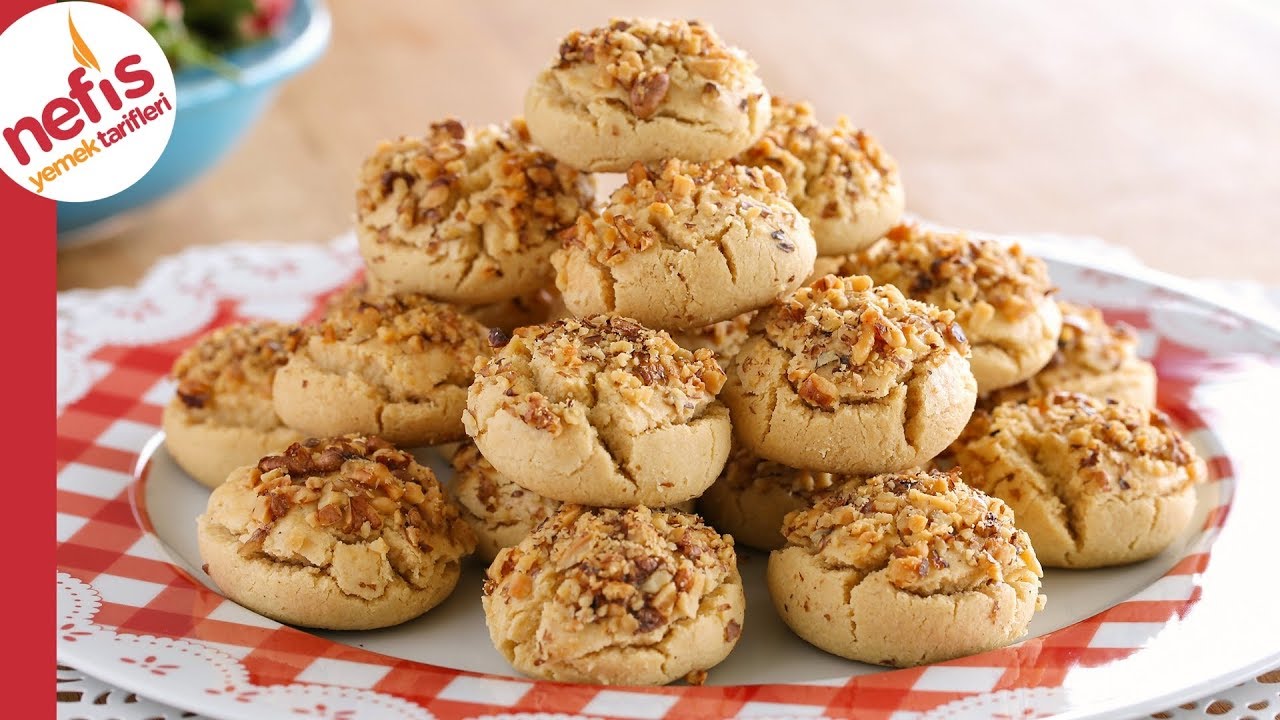
Butter and tahini give these cookies a short, crumbly texture. A coating of chopped walnuts adds a rougher, crisp edge against the tender center. They are particularly nice beside Turkish coffee or a glass of black tea.
Ingredients
- 1 glass sugar
- 1 glass tahini
- 200 g softened butter
- 1 egg yolk; reserve the white for the topping
- About 3½ glasses wheat flour, added gradually
- 1 sachet vanillin or vanilla sugar
For the topping: the reserved egg white and chopped walnuts. Use the same 200 ml glass for the sugar, tahini and flour.
How to make it
Do not force in the last of the flour. The dough should hold its shape without becoming stiff. Too much flour can make the finished cookies dry; their delicate texture is also why cooling on the tray matters.
Source video and cover image: Nefis Yemek Tarifleri, Pastane Lezzetinde Ağızda Dağılan Tahinli Kurabiye Tarifi. This version follows the video proportions supplied for the article. The platform's separate tahini cookie page presents a different variation. English editorial adaptation: Oğuz Şahbaz.
Back to recipe choices ↑Which tahini recipe should you make?
For lunch or a mezze spread: make the hummus and serve it with vegetables and warm bread. For a table of guests: the marble cake is easy to slice and share. For coffee: choose the walnut cookies and give them time to cool before serving.
Use fresh tahini that becomes evenly mixed after stirring. Natural oil separation can be stirred back in; a distinctly rancid smell is a reason to stop and use another jar. If you are new to sesame paste, our guide to tahini explains its flavor and how it is made.
The savory recipe contains sesame. The cake and cookies also contain wheat, eggs and milk products; the cookies contain walnuts. Check ingredient labels if you are cooking for someone with a food allergy.
Questions about cooking with tahini
What can I make with tahini besides hummus?
Try tahini in marble cake batter, mix it with icing sugar for a glaze, or use it in buttery walnut cookies. For something simpler, mix it with honey or pekmez for toast, or loosen it with water, lemon and salt for a sauce.
Can I use tahini in cakes and cookies?
Yes. In these recipes it goes directly into the cake batter and cookie dough. The cake also has a separate tahini glaze. Follow the full recipe rather than adding an extra scoop to another batter without adjusting its ingredients.
Which tahini should I use for these recipes?
Choose plain, smooth sesame paste without added sweeteners or flavorings. Stir any separated oil back in before measuring. A milder roast works well in hummus; a stronger sesame flavor can also work in the desserts.
Why does tahini become thick when I add lemon juice?
It can tighten as the liquid is first mixed into the sesame paste. Keep mixing and add cool water in small amounts until the sauce or hummus reaches the texture you want.
Do these recipes use US measuring cups?
No. A glass in these recipes means 200 ml, and a small tea glass means approximately 125 ml. Use those volumes consistently. Do not treat 200 ml as 200 g or use a larger cup for only some of the ingredients.
How much tahini does each recipe need?
The hummus uses one-third of a 200 ml glass. The cake uses 125 ml in the batter and another 100 ml in the glaze. The cookies use one 200 ml glass. These are separate recipes, not portions of one combined batch.
About the sources. The hummus and cake recipes are credited to Elif Atalar / Nefis Yemek Tarifleri. The walnut cookie recipe is based on the separately linked Nefis Yemek Tarifleri video. The English article and editorial explanations are by Oğuz Şahbaz. Original photographs and the video cover retain their source watermarks and credits.
Find tahini for your kitchen
Explore Beyoğlu sesame paste and nut creams, with current product details and packaging options on the collection page.
Explore tahini and nut creamsAuthor and website operator: Oğuz Şahbaz.