
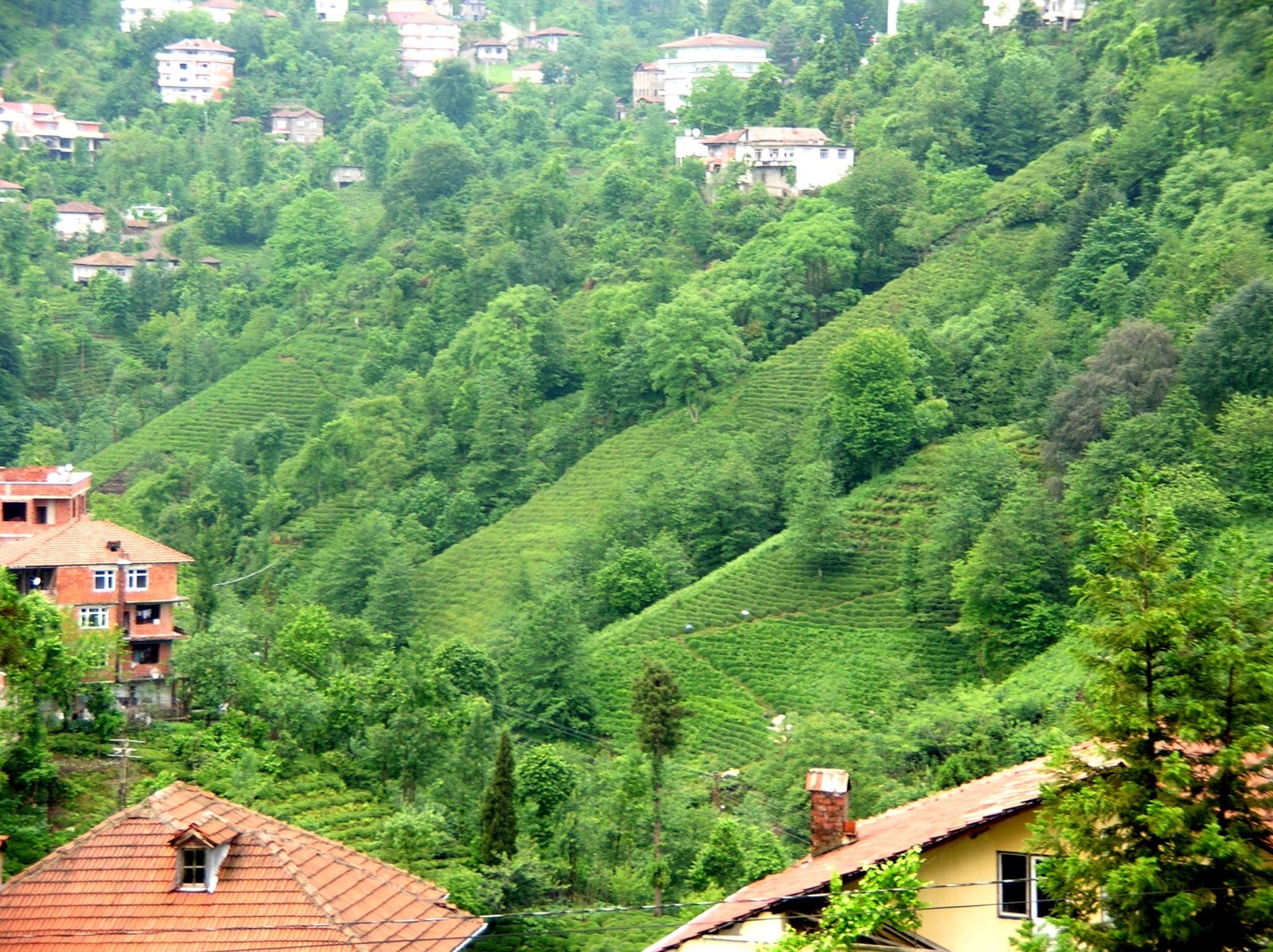
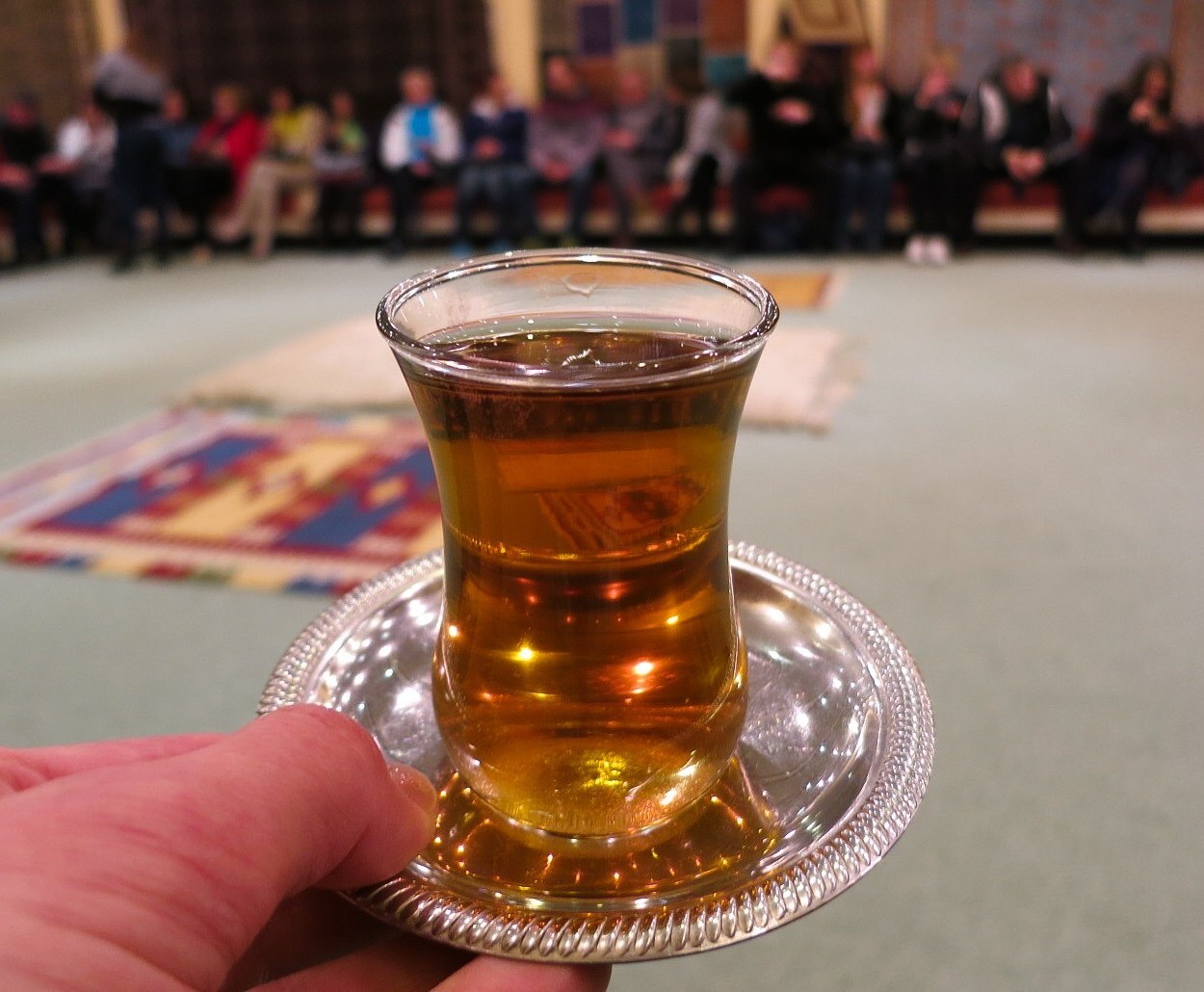
A glass of Turkish tea is a familiar sight: a deep red infusion, a small saucer, a spoon resting beside it. The landscape behind that glass is less familiar. On Turkey's northeastern Black Sea coast, tea grows on green slopes around Rize, where a humid climate and a local processing industry have helped shape the country's everyday drink.
Rize tea is black tea made from Camellia sinensis grown and processed in Turkey's Rize province. The name refers to its geographic origin, rather than a separate species of tea plant or a fruit flavor.
Understanding where it comes from makes the rest of the story easier to follow: why the leaf is processed close to the fields, how it becomes black tea, and what the name on a packet can actually tell you.
What does Rize tea mean?
Rize is a province in northeastern Turkey. Its name has become closely associated with Turkish black tea, although tea is also grown elsewhere along the eastern Black Sea coast.
The expression Rize Çayı also has a formal meaning. Turkey registered it as a protected designation of origin, known in Turkish as menşe adı, on March 26, 2021, under registration number 707. The TÜRKPATENT record identifies both the name and the region.
That distinction matters when buying tea. A statement that a product comes from Rize describes its origin. A claim that a particular product is entitled to carry the registered designation and its official emblem requires evidence that it meets the relevant specification and controls. The existence of the registration does not certify every packet that mentions Rize.
Why tea grows on the Black Sea coast
Much of Turkey is too dry, or otherwise unsuitable, for commercial tea growing. Rize has a different setting. Moist air from the Black Sea meets the mountains of the eastern Black Sea region, bringing the rainfall and humidity that support tea cultivation.
The result is a distinctive landscape of planted slopes, wooded hills and settlements threaded between the fields. Climate is only part of the explanation, however. Soil, the position of a plot, plant characteristics, cultivation practices and the timing of the harvest all affect the raw material.
There is a practical reason for keeping processing nearby, too. Freshly picked leaves remain biologically active. Delays and poor handling can damage them before manufacture has properly begun. The official description of Rize Çayı connects the growing area with local processing facilities: fresh leaf needs to reach the factory promptly, and the conditions around that factory also influence processing.
Origin therefore tells a story about a production system as well as a point on a map.
How Rize became a tea-growing region
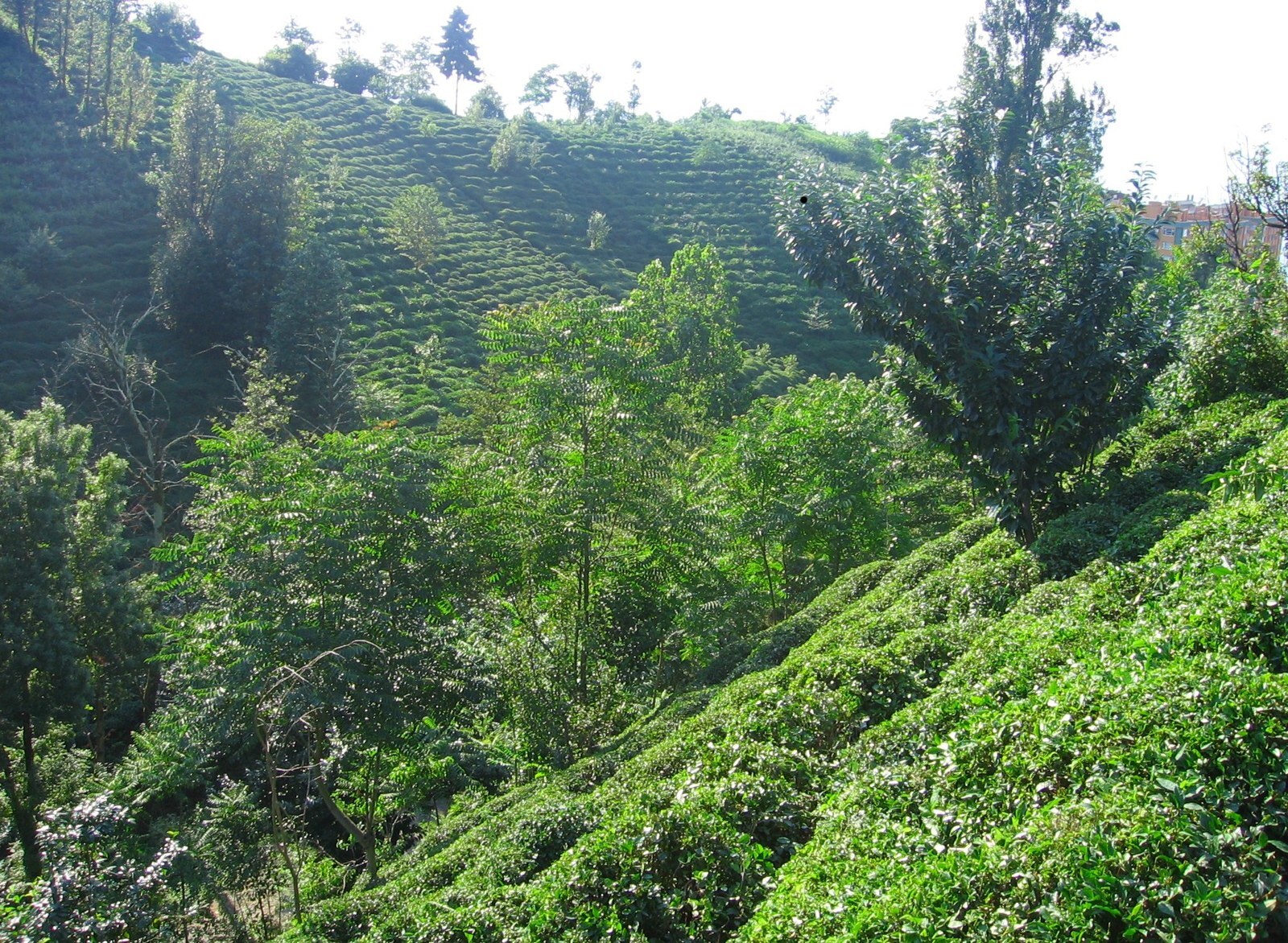
Tea feels deeply established in Turkish life, yet the country's industrial tea sector took shape in the twentieth century. Early investigations considered whether the eastern Black Sea coast could support the crop. Agricultural conditions around nearby Batumi helped inform that work.
In 1924, Law No. 407 supported the cultivation of tea and several other crops in Rize and Borçka. The agronomist Zihni Derin became an important organizer of the developing industry. Planting and experimentation expanded during the 1930s, followed by further legislative support in 1940. A major tea factory began operating in Rize in 1947.
These stages help explain how a relatively new agricultural industry became embedded in everyday life. Tea cultivation also formed part of the region's economic development, creating work around growing, collecting and processing the leaf. ÇAYKUR's history of the industry traces that development through the early surveys, legislation and planting programs.
How Rize black tea is made
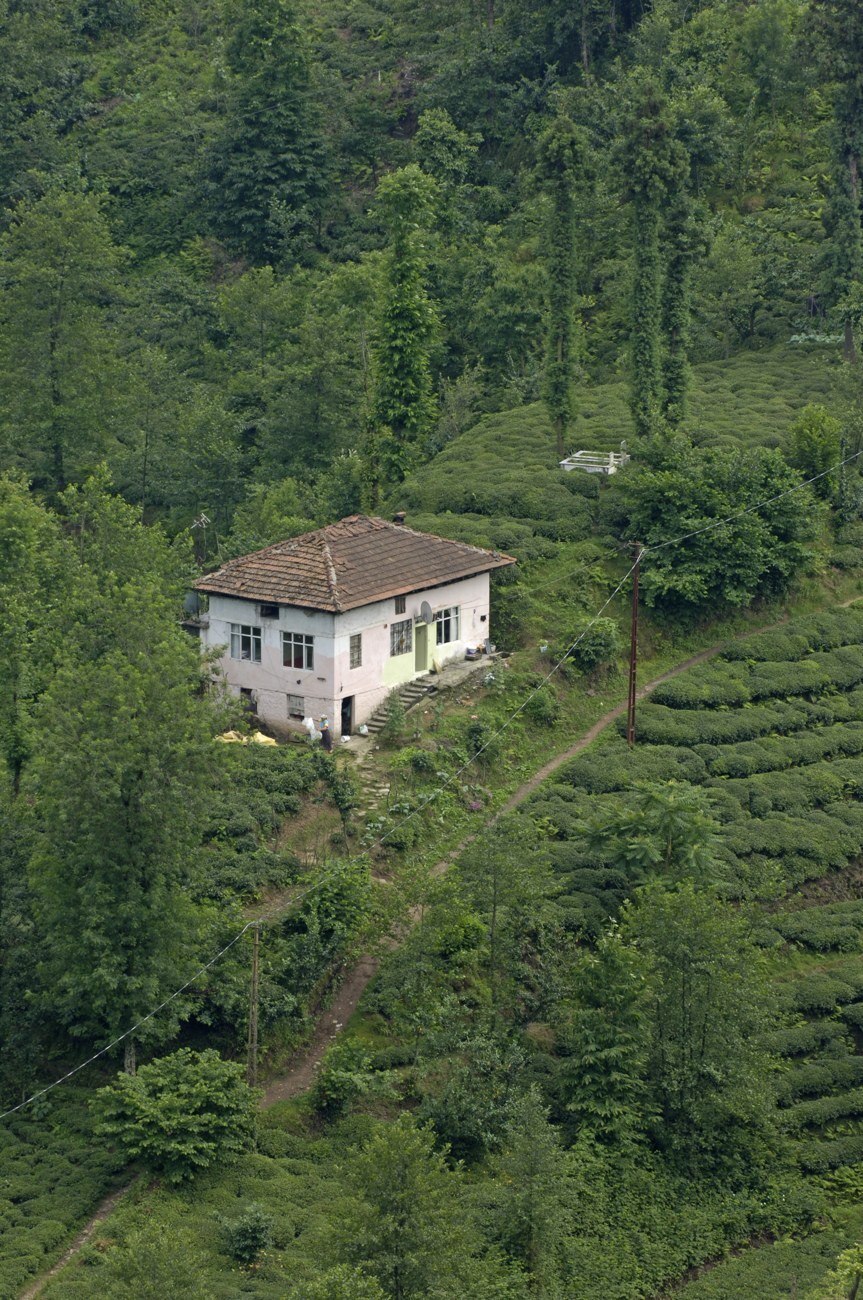
The leaves on a tea bush are green. Their transformation into black tea depends on a sequence of controlled processing steps. The terminology can sound specialized, but each stage has a clear purpose.
Picking and receiving the leaf
Young shoots and leaves provide the starting material. Their maturity, the amount of coarse plant material present, and the time between picking and processing influence what happens next. Prompt delivery helps preserve the condition of the fresh leaf.
Withering: soldurma
Fresh leaves contain a great deal of water. Withering reduces some of that moisture and makes the leaf softer and more workable. It prepares the material for further processing; it is different from the final drying of finished tea.
Rolling and mechanical processing: kıvırma
Rolling and related mechanical treatment disrupt the leaf's cellular structure. This brings its compounds into greater contact with oxygen and the plant's own enzymes. The equipment and processing method also influence the shape and size of the resulting particles.
Enzymatic oxidation: oksidasyon
Oxidation is central to the development of black tea's color and character. Enzyme-driven changes in the leaf's polyphenols help produce the compounds associated with the infusion's appearance, astringency and flavor.
Tea makers have traditionally called this stage “fermentation.” For ordinary black tea manufacture, enzymatic oxidation is the more precise description: microbial fermentation is not the defining process. The manufacturer controls the conditions and duration rather than leaving the leaf to change indefinitely.
Drying: kurutma
Once the required stage of oxidation has been reached, drying reduces moisture and arrests active enzymatic changes. The tea can then be sorted and prepared for storage and sale.
Sorting, blending and packing
Finished tea is sorted into fractions according to particle size and other characteristics. A product may use a particular fraction or a blend of them.
Broken leaf is a normal outcome of tea processing and sorting. Its smaller particles behave differently in water from larger pieces of leaf, but their size alone cannot establish the quality of a tea. That question is explored in our guide to choosing Turkish black tea.
What does Rize tea taste like?
The specification for Rize Çayı describes the product's sensory character. A reddish to dark red infusion, brightness, body, characteristic astringency and a clean black-tea aroma are useful reference points. Unwanted odors, a dull appearance or undesirable coarse material are not qualities to seek out.
The cup still depends on how you make it. Leaf quantity, water, temperature and infusion time can change the result substantially. A long steep can make a perfectly sound tea seem excessively astringent; a very dilute serving may give little sense of its body.
If you are comparing two teas, prepare them under the same conditions. Using the same water, dose, temperature and time gives you a fairer basis for judging aroma, fullness and aftertaste than comparing an intensely brewed concentrate with a lightly infused cup.
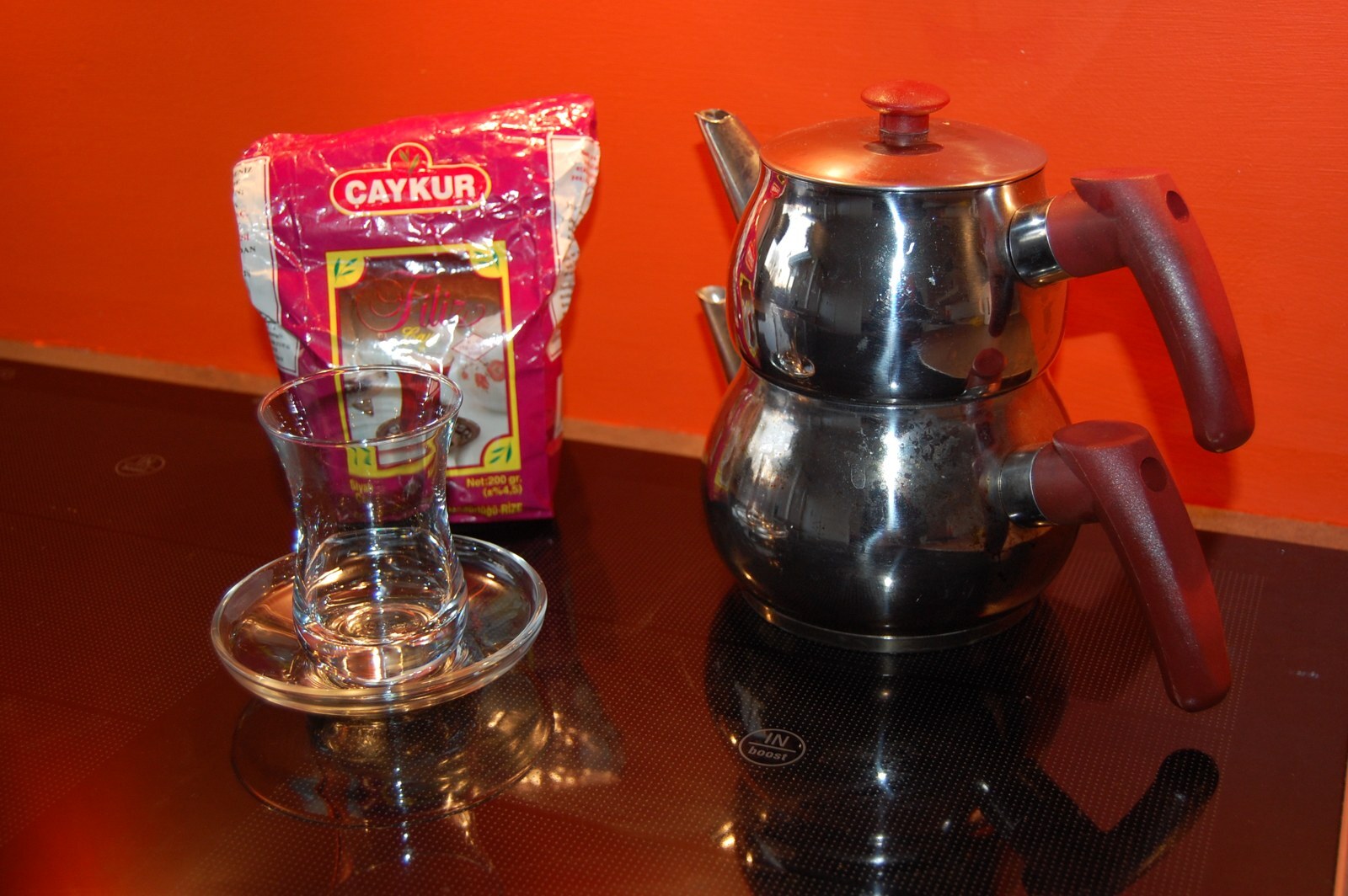
For the practical method, see how to make Turkish tea in a çaydanlık.
Rize tea, Indian tea and Ceylon tea
These names can all describe black teas, but they refer to different origins and encompass many products. Raw material, processing, leaf grade and blending choices create variation within each region as well as between them.
There is little value in declaring one country's entire output superior to another's. For a buyer, a more useful comparison asks where the leaf was grown, how it was processed, what is in the blend and how the tea performs in the intended brewing method.
Rize's particular interest lies in its connection to Turkey's modern tea industry and to the way black tea is prepared and served in Turkish daily life.
What to check on a packet
A Turkish design or an attractive tin can tell you very little about where the leaves grew. “Packed in Turkey” describes packing; it does not, by itself, establish Rize as the growing region.
Look for a named origin, the ingredient list, producer and packer details, batch information, storage instructions and the best-before date. If documented regional provenance or entitlement to use a protected designation matters to your purchase, ask for the relevant records for the product or batch.
Rize black tea at Beyoğlu

Beyoğlu Rize black tea · 250 g
TEA-250 · broken leaf · no added flavorings · metal tinIngredients and ordering detailsBeyoğlu Rize black tea, product TEA-250, is broken-leaf black tea from Rize with no added flavorings, packed in a 250 g metal tin. It offers a straightforward way to try the leaf tea discussed here, whether for regular tea drinking, a retail assortment or a gift selection.
The product page sets out its specification and ordering information. Check the labeling and documentation for the particular batch when you need information beyond the general product description. Geographic origin should not be read as an unstated certification claim.
Frequently asked questions
Is Rize tea a type of black tea?
Yes. Rize Çayı, as described in the registered specification, is black tea made from Camellia sinensis. Rize identifies its place of origin, rather than a separate botanical species.
Is all Turkish tea grown in Rize?
No. Rize is an important tea-growing province, but cultivation also takes place elsewhere in Turkey's eastern Black Sea region.
Is Rize tea the same as Turkish apple tea?
No. Rize tea is black tea associated with a growing region. Apple tea may be a flavored tea, a fruit infusion or an instant drink, depending on its ingredients.
Why does Turkish tea look red?
Black tea processing develops compounds that contribute to the color of the infusion. Brewing conditions and dilution also affect the shade you see in the glass.
Does the name Rize guarantee a certified product?
No. The registered designation has a specification and controls. A particular packet's entitlement to use the protected name and emblem must be established; it cannot be assumed from a general reference to Rize.
Is broken-leaf Rize tea lower quality?
Particle size alone does not determine quality. Broken leaf is a normal tea fraction. Assess it alongside origin, processing, storage, aroma, flavor and suitability for your brewing method.
Sources
- TÜRKPATENT: Rize Çayı, registration No. 707.
- Rize Provincial Directorate of Culture and Tourism: Rize Çayı.
- ÇAYKUR: history of the Turkish tea industry.
- Turkish Ministry of Agriculture and Forestry: Tea Communiqué, 2015/30.
More to read over tea
Choosing Turkish tea
A practical guide to reading the label, understanding the leaf and finding a tea that works in your cup.
Tea in Turkey
What arrives when someone offers you çay—and why apple tea, pomegranate drinks and instant powders need a closer look.
Try Rize black tea for yourself
See the ingredients, tin size and current ordering details for Beyoğlu’s broken-leaf black tea. For café, retail or gift projects, explore our wholesale information.
Article author and website operator: Oğuz Şahbaz.