
If you have visited Turkey, you may remember more than one drink being called Turkish tea. There is the dark tea served in a small glass, the bright apple or pomegranate drink offered in a shop, and the powders sold to take home. They can share a souvenir shelf without sharing an ingredient list.
The tea at the center of everyday Turkish tea culture is black tea made from Camellia sinensis, closely associated with the eastern Black Sea region and Rize. Apple and pomegranate drinks may be flavored teas, fruit infusions or instant mixtures; the ingredients determine which.
That distinction helps explain both what arrives when someone offers you çay and what to look for when buying a packet for yourself.
The tea behind an everyday offer of çay
In ordinary conversation in Turkey, çay most often means black tea. It is served at home, in cafés and shops, at work, and in tea gardens and tea houses known as çay bahçesi and çay ocağı. Offering a glass is part of everyday hospitality and conversation.
The leaf tea makes an infusion with a pronounced color and characteristic astringency. Its strength can be adjusted when serving, which allows people sharing the same pot to enjoy quite different glasses.
Herbal infusions, flavored teas and instant drinks are also available in modern Turkey. Their presence does not make them interchangeable with the black tea at the center of that daily practice. UNESCO's account of the culture of çay in Turkey and Azerbaijan specifically describes black tea as the main tea harvested and consumed by the communities concerned.
Why Rize appears on so many tea labels
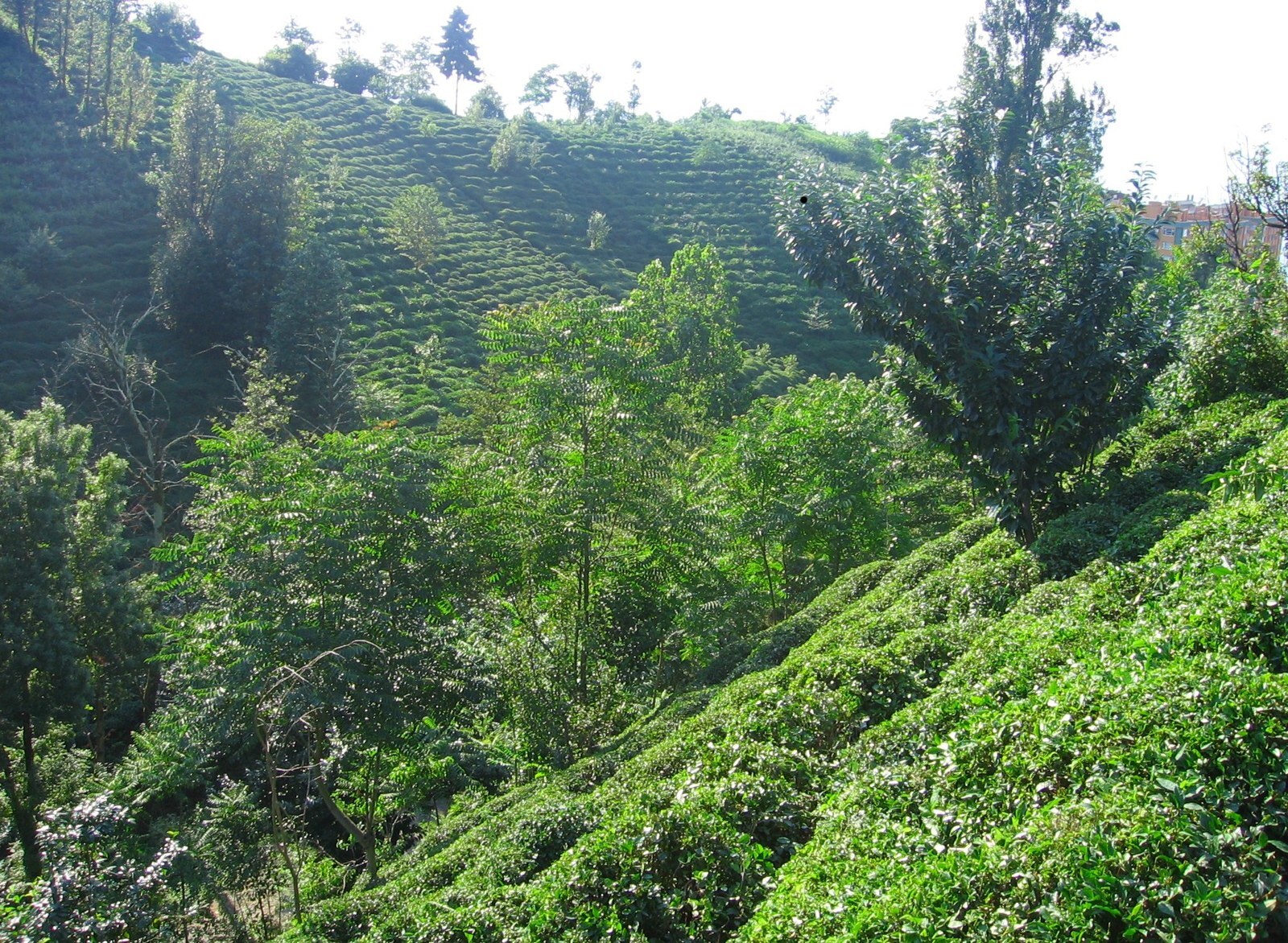
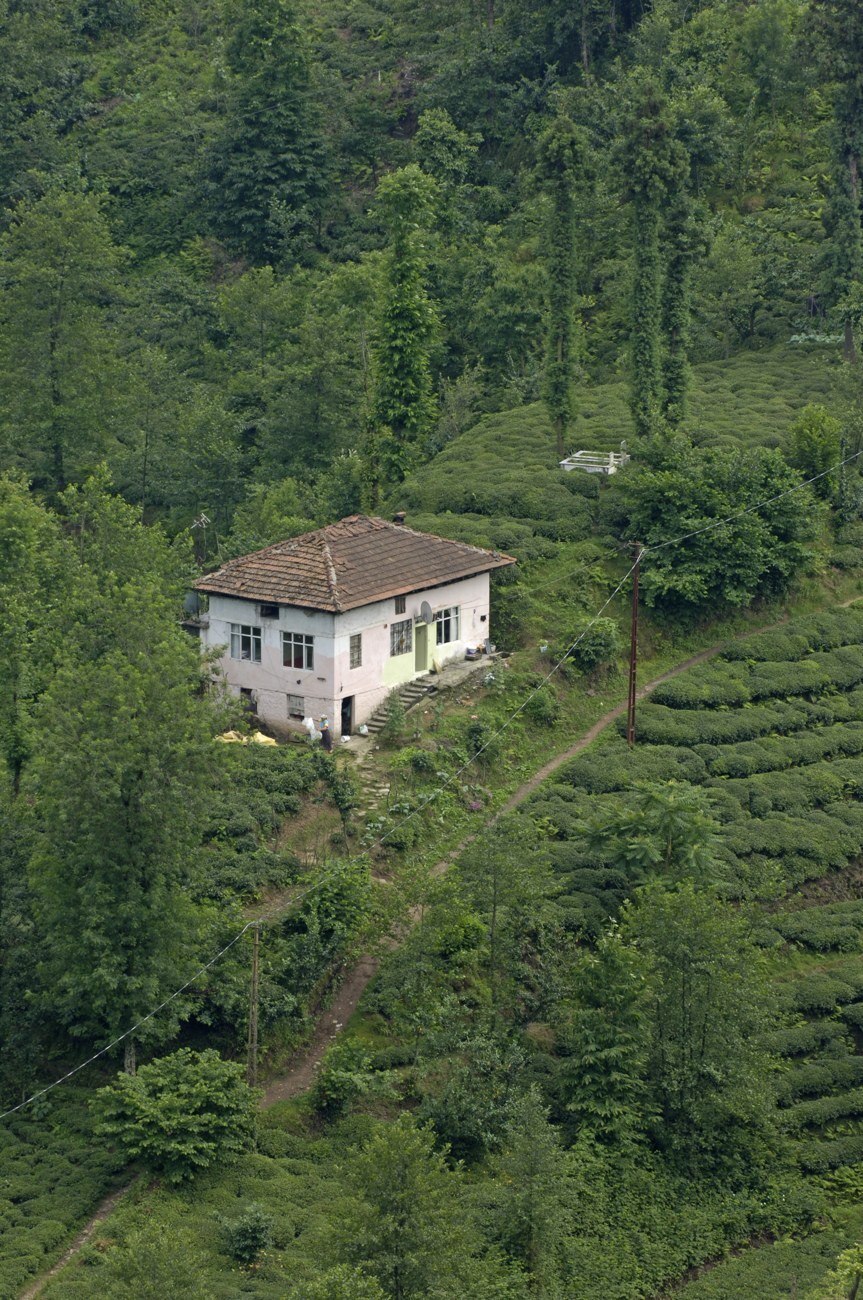
Rize is a tea-growing province on Turkey's northeastern Black Sea coast. The humid climate, local growing conditions and nearby processing industry helped make it an important center of Turkish tea production.
The name Rize Çayı was registered as a designation of origin in Turkey in 2021. It describes black tea associated with a particular geographic origin and specification. A general mention of Rize on a product should not be confused with evidence that the product is entitled to use the registered designation and emblem.
Rize tea also tells you nothing about a pomegranate or apple flavor. Those are separate ingredient questions. Our guide to Rize tea explains the region and how its black tea is made.

Is Turkish apple or pomegranate tea actually tea?
Sometimes it is. Sometimes it is a different kind of drink. Names such as “apple tea” and “pomegranate tea” can cover several products, so the front of the packet is rarely enough to answer the question.
Black tea with apple or pomegranate ingredients
A blend can contain processed tea leaf alongside fruit-related ingredients or flavorings. Where Camellia sinensis is present, the product contains tea. Its precise composition still depends on the manufacturer.
For someone who enjoys black tea with an additional flavor, this may be an entirely suitable choice. It should simply be identified and described accurately.
A fruit or herbal infusion
Another product may contain dried fruit or other plant ingredients intended to be steeped in water. Without Camellia sinensis, it is not black tea in the botanical sense, even though “fruit tea” is a familiar everyday name for this kind of drink.
An instant fruit drink
A powder or granulated mixture dissolves in water rather than being brewed and strained like loose tea. It may contain sugar, food acids, flavorings, colors, fruit ingredients or tea extracts, depending on the formula.
It would therefore be inaccurate to say that every instant pomegranate drink is tea-free. Some contain tea-derived ingredients; others do not. The label, rather than the color of the prepared drink, answers the question.
What is Oralet?
In Turkey, shoppers may encounter soluble fruit drinks referred to as Oralet. In everyday speech, the name is sometimes used for a type of flavored powder mixed into water according to the manufacturer's instructions.
Some commercial products of this kind contain sugar, acidity regulators, flavorings and colors. That description should not be extended to every brand or flavor without checking its ingredients.
The preparation method offers one useful distinction: a fruit powder is stirred into water, while traditional leaf tea is infused. Even here, there is an exception worth remembering. Real instant tea products can be made from tea extract. “Instant” describes the format; it does not establish whether a product contains tea.
What does Sultan tea contain?
Sultan Çayı, usually translated as “Sultan tea,” appears in the names of different tea and plant-based mixtures. It is not a reliable ingredient list or a promise that every product with the name follows one recipe.
Two packets carrying similar names may contain different combinations of ingredients. If you are choosing for flavor preferences or because you need to avoid a particular ingredient, read the full label of the actual product.
Turkish tea types at a glance
| Drink | What provides the base? | How is it prepared? |
|---|---|---|
| Rize black tea | Camellia sinensis leaf | Infused in water |
| Flavored black tea | Tea leaf plus additional ingredients or flavorings | Brewed according to the product instructions |
| Fruit infusion | Fruit and/or other plant ingredients | Steeped in water |
| Instant fruit drink | A formula that varies by manufacturer | Dissolved in water |
| Instant tea extract | Extract obtained from tea leaf | Dissolved in water |
These categories can all be sold in Turkey. Buying an authentic example of one does not make it an example of another. Someone looking for plain black tea and someone looking for a sweet fruit drink are making different purchases.
How traditional Turkish black tea is served
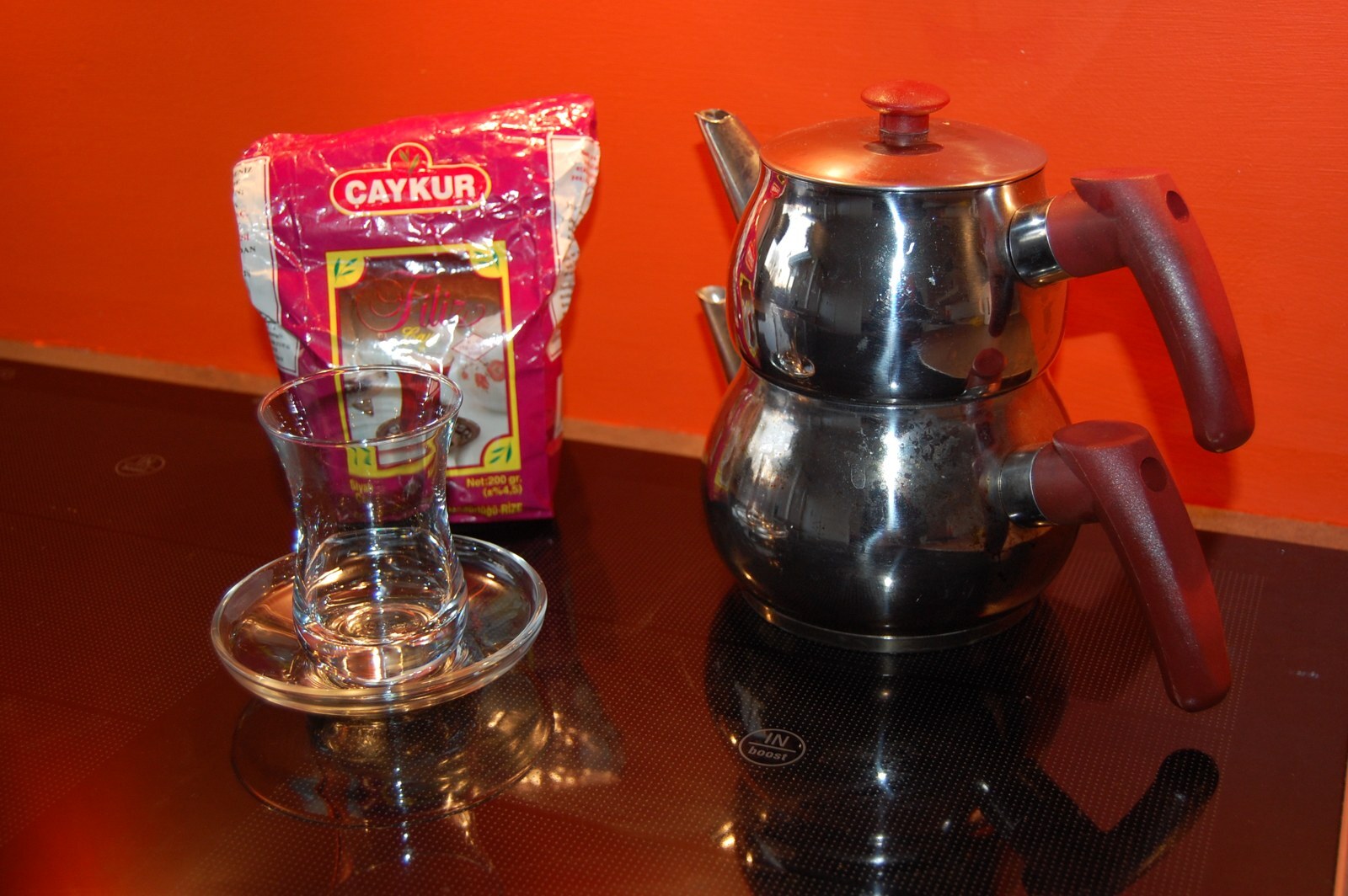
The çaydanlık is a stacked double teapot. The upper pot holds the concentrated tea infusion; the lower pot supplies hot water. At serving time, tea and water are combined in the glass to reach the preferred strength.
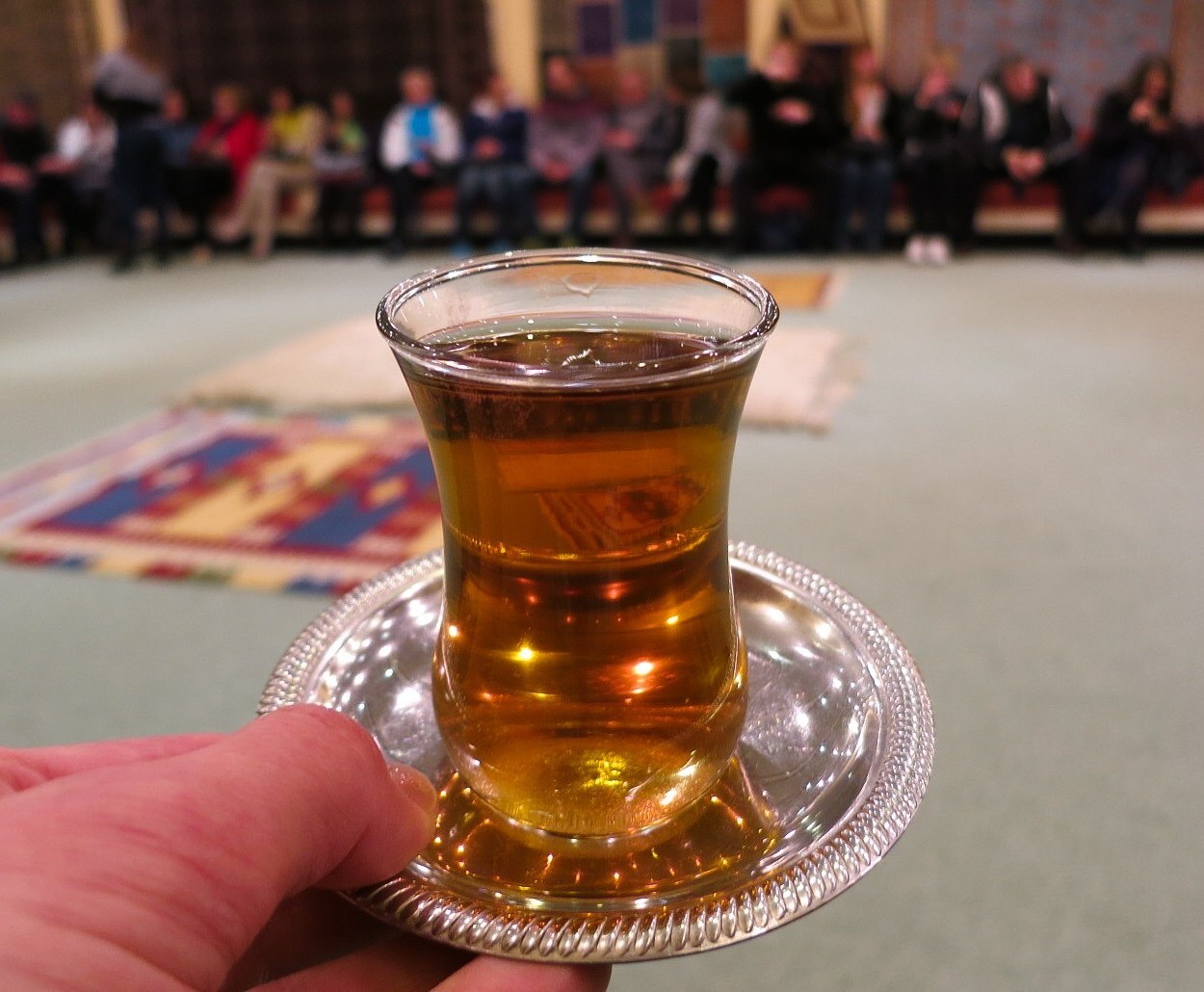
You may hear açık çay for a lighter, weaker tea and demli çay for a stronger, more concentrated serving. The familiar small, curved glass is known in Turkish as an ince belli bardak, literally a glass with a slender waist.
This arrangement makes strength a personal choice within a shared pot. It also helps explain why judging a tea only by the darkness of someone else's glass can be misleading.
For quantities and the brewing sequence, follow our separate guide to making Turkish tea in a çaydanlık.
Does Turkish tea contain caffeine?
Black tea from Camellia sinensis naturally contains caffeine. The amount in a finished glass depends on the tea, the quantity used, water volume, infusion conditions and how much the concentrate is diluted.
There is no single reliable caffeine figure for every glass of Turkish tea. Research on the composition of tea infusions shows why preparation needs to be considered alongside the product itself.
A fruit drink without tea or another caffeine-containing ingredient would not normally contain the caffeine naturally present in tea. But the word “fruit” alone does not establish that a mixture is caffeine-free. Check whether the formula also includes tea, tea extract or another source of caffeine.
How to tell what you are buying
First, read the ingredients. “Black tea” as the only ingredient describes a different product from a mixture that begins with sugar and lists flavorings and food acids. Neither the packet's color nor the word “natural” explains that difference.
Next, look at the preparation instructions. Loose tea is brewed and the leaf is normally separated from the infusion. A soluble mixture is added to water and stirred. Appearance can help, but it cannot reliably identify every blend or extract.
Finally, consider the purpose. If you want to recreate an everyday glass of Turkish çay, look for plain black tea and a suitable brewing method. If you enjoyed a sweet apple drink on holiday, seek out the ingredients and flavor that match that drink rather than assuming it was the same leaf tea.
For more detail on origin, leaf fractions and tasting, read how to choose Turkish black tea.
Choosing tea for a gift
Think about the recipient's usual tastes. A traditional tea drinker may appreciate a plain black tea with a clear origin. Someone who prefers fruit drinks may enjoy an apple or pomegranate mixture, provided it is presented as the product it actually is.
For an introduction to Turkish food, black tea can sit alongside Turkish delight or halva. Packaging, ingredients and storage information matter as much as the appearance of the selection. Our guide to corporate Turkish gifts looks at putting those products together.
Black tea from Rize at Beyoğlu

Beyoğlu Rize black tea · 250 g
TEA-250 · broken leaf · no added flavorings · metal tinIngredients and ordering detailsBeyoğlu Rize black tea, TEA-250, contains 100% broken-leaf black tea from Rize with no added flavorings and is packed in a 250 g metal tin.
It is a leaf tea for infusion. The product page gives its composition, pack format and current ordering information, helping you distinguish it from fruit infusions or soluble flavored drinks before you buy.
Frequently asked questions
What tea do Turkish people usually drink?
Black tea made from Camellia sinensis is central to everyday Turkish tea culture. It is commonly prepared in a double teapot and served in small glasses, with strength adjusted using hot water.
Is Turkish tea black tea or herbal tea?
Everyday Turkish çay usually means black tea. Herbal and fruit infusions are also sold and consumed, but they are different categories and should be identified by their ingredients.
Do people in Turkey only drink Rize tea?
No. Rize is an important growing region, but Turkey has other tea-growing areas and a market for many teas, herbal infusions and other drinks.
Is Turkish apple tea made from tea leaves?
It depends on the product. It may contain black tea, be a fruit infusion without tea leaf, or be an instant mixture. Read the ingredients to establish which one you have.
Is pomegranate tea caffeine-free?
Not necessarily. A product containing black tea or tea extract may contain caffeine. A fruit-only product without another caffeine source would not normally contain tea's natural caffeine. The formula matters more than the name.
Is Oralet the same as Turkish black tea?
No. Products called Oralet are often soluble flavored drinks, while traditional black tea is prepared by infusing processed Camellia sinensis leaf. Check the particular product's ingredients, since instant tea extracts also exist.
Does Sultan tea have a fixed recipe?
The name alone does not establish a fixed formula. Different manufacturers may sell different mixtures as Sultan Çayı, so check the ingredient list on the actual packet.
Sources
- UNESCO: Culture of Çay (tea), a symbol of identity, hospitality and social interaction.
- TÜRKPATENT: Rize Çayı, registration No. 707.
- Rize Provincial Directorate of Culture and Tourism: Rize Çayı.
- ÇAYKUR: history of the Turkish tea industry.
- Astill, C., et al. (2001). Factors Affecting the Caffeine and Polyphenol Contents of Black and Green Tea Infusions.
- Turkish Ministry of Agriculture and Forestry: Tea Communiqué, 2015/30.
More to read over tea
Rize tea
The green slopes, twentieth-century tea industry and careful leaf processing behind a familiar glass of Turkish çay.
Choosing Turkish tea
A practical guide to reading the label, understanding the leaf and finding a tea that works in your cup.
Try Rize black tea for yourself
See the ingredients, tin size and current ordering details for Beyoğlu’s broken-leaf black tea. For café, retail or gift projects, explore our wholesale information.
Article author and website operator: Oğuz Şahbaz.